Related

More Than a Workout: Why Community Is the Heart of a CrossFit Gym
When people first consider CrossFit, they usually focus on the workouts.
They think about intensity, barbells, sweat, and whether they’ll be able to keep up. They wonder if they’re “fit enough” to start, or if the environment will feel intimidating. From the outside, it can look like a space designed only for high performers.
But what most people don’t realize—until they step inside—is that the defining feature of a great CrossFit gym isn’t the programming.
It’s the community.
And over time, that becomes the reason people stay.
The First Experience: From Intimidation to Belonging
Walking into any new gym can feel uncomfortable, but CrossFit has a reputation that can make that feeling even stronger. The structure is unfamiliar, the movements may be new, and there’s often a visible intensity to the workouts that can be hard to ignore.
However, that first impression rarely tells the full story.
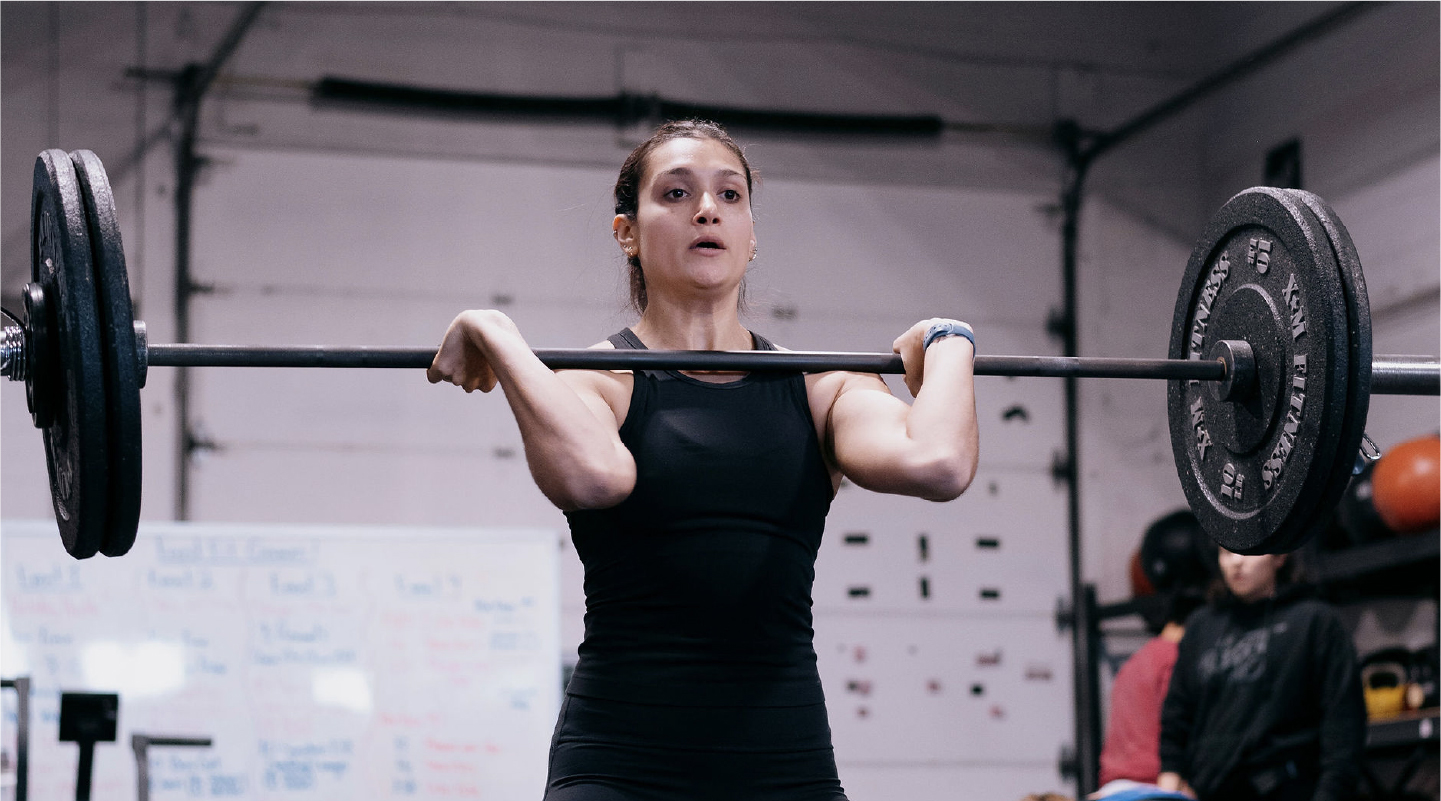
Within a single class, most people begin to notice something different. Members encourage each other mid-workout. Coaches are actively engaged, not just observing but guiding, correcting, and supporting. People who finish early stay to cheer on those still working.
This shift—from feeling like an outsider to feeling included—often happens faster than expected.
That’s not accidental. It’s a product of an environment where participation matters more than performance, and where effort is recognized regardless of ability level.
Shared Effort Creates Connection
One of the most important differences between CrossFit and traditional gyms is how people experience the workout itself.
In many fitness spaces, individuals work independently. They follow their own programs, wear headphones, and move through their routines without much interaction. While that works for some, it can also feel isolating.
CrossFit takes a different approach.
Everyone in the class is doing the same workout, scaled appropriately to their level. That shared experience—of pushing through the same time cap, navigating the same movements, and managing the same fatigue—creates an immediate sense of connection.
Struggle, in this context, becomes a unifying factor.
It’s easier to support someone when you understand exactly what they’re going through. It’s easier to celebrate a finish when you know how much effort it required. Over time, these shared experiences build familiarity, and that familiarity builds relationships.
The Role of Coaching in Building Community
Community doesn’t develop on its own. It is shaped, intentionally or not, by the people leading the space.
In a strong CrossFit gym, coaches do more than deliver workouts. They create structure, ensure safety, and guide progress—but they also set the tone for how people interact with one another.
They learn names.
They understand individual goals and limitations.
They provide feedback that helps members improve while also building confidence.
Equally important, they foster an environment where encouragement is the norm. When coaches model attentiveness, respect, and consistency, members tend to reflect those same qualities.
This is where the difference between a gym and a community becomes clear.
A gym provides access to equipment and programming.
A community provides support, accountability, and a sense of belonging.
Redefining What Progress Looks Like
In many fitness environments, progress is measured narrowly—by weight lifted, calories burned, or aesthetic changes.
While those markers exist in CrossFit, they are not the only indicators of success.
Progress can look like attending consistently after a long break from exercise. It can mean learning a new movement that once felt out of reach. It can be as simple as choosing to show up on a day when motivation is low.
Because members see each other regularly, these smaller milestones are noticed. They are acknowledged not just by coaches, but by peers.
This broader definition of progress shifts the focus from comparison to personal development. It encourages people to stay engaged, even when improvements are gradual.
Consistency Through Connection
One of the most common challenges in fitness is maintaining consistency.
Motivation fluctuates. Schedules become busy. It becomes easy to skip a session, especially when no one is expecting you to be there.
Community changes that dynamic.
When people know your name, when they notice your absence, and when they genuinely want to see you succeed, showing up carries a different kind of weight. It’s no longer just a personal commitment—it’s a shared one.
This doesn’t create pressure in a negative sense. Instead, it creates accountability in a supportive way.
Over time, this consistency leads to better results—not just physically, but mentally as well.
Beyond the Workout
Perhaps the most meaningful aspect of a CrossFit community is that it often extends beyond the gym floor.
Conversations before and after class, shared experiences during workouts, and mutual support over time naturally lead to stronger connections. Members begin to see each other not just as people they train with, but as part of their broader social circle.
This is especially important in a world where many interactions are digital and often superficial. Having a physical space where people interact regularly, support one another, and share real experiences adds a level of depth that is increasingly rare.
Why It Matters
At its core, fitness is about more than physical health.
It influences how people feel, how they handle stress, and how they engage with their daily lives. A supportive environment amplifies those benefits.
A strong CrossFit community provides more than effective workouts. It offers structure, encouragement, and a sense of connection that extends beyond fitness itself.
For many people, that combination is what makes the difference between starting something temporarily and sustaining it long term.
Considering CrossFit?
For those who are hesitant to try CrossFit, it’s worth remembering that no one begins as an expert.
Every member was once new. Every movement was once unfamiliar.
What matters is not where you start, but whether you are willing to begin.
Stepping into a CrossFit gym may feel like a challenge at first. But for many, it quickly becomes something else entirely—a place where effort is supported, progress is shared, and community becomes the foundation for lasting change.
If you’ve been thinking about starting, this is your sign.
Book a Free Intro Session—a no-pressure visit where you can meet our team, take a look around, and talk through your goals. We’ll guide you, answer your questions, and help you decide what makes sense for you—no commitment required.